
If you’re dreaming of snowy forests, huskies and evenings looking for the Northern Lights, winter is a lovely place to start. Snow can arrive in late November, but mid December to March is generally a more reliable choice for winter activities. February and March offer a welcome balance of snowy days, more daylight and dark nights. December brings the Christmas atmosphere, June and July the long summer light, and September golden forests and the return of the aurora season.
When guests ask us about the best time to visit Rovaniemi, we usually start with what they’re hoping to experience. Perhaps it’s a sleigh ride with the children, a quiet walk through the forest or a late evening by the river. The right season depends on those little things that would make the trip yours.
Here on the Arctic Circle, the year changes quite a bit: from just over two hours of daylight in December to summer nights that barely feel like night at all.
We’re a local team, and we spend time in these forests with our guests throughout the year. Below, we’ve shared what each season feels like, what to expect from the weather and which experiences you might enjoy along the way.
Rovaniemi Season by Season at a Glance
For a first look at Rovaniemi weather by month, this table gives you a sense of the temperatures, daylight and activities across the year.
| Season | Months | Typical temperatures | Daylight | Best for |
|---|---|---|---|---|
| Early winter & Christmas | Late Nov – Dec | Around −5 to −15 °C | 2–6 hours | Christmas atmosphere, Santa, first snow activities |
| Deep winter | Jan – Feb | Around −10 to −20 °C, colder spells possible | 3–9 hours | Deep snow, huskies, snowmobiles, Northern Lights |
| Late winter (“spring winter”) | Mar – Apr | Around −10 to +3 °C | 10–15 hours | Sunny snow days, Northern Lights until early April |
| Thaw | May | Around 0 to +12 °C | 17+ hours | Quiet days, lower prices, nature waking up |
| Summer | Jun – Aug | Around +10 to +20 °C | Midnight sun to ~17 hours | Hiking, river trips, sauna, wildlife |
| Autumn (“ruska”) | Sep – Oct | Around 0 to +12 °C | 14 down to 8 hours | Autumn colours, first Northern Lights, bears |
| Pre-winter | Early – mid Nov | Around −10 to 0 °C | 7 down to 4 hours | Lower prices, quiet surroundings, snow not guaranteed yet |
These temperatures are a guide rather than a promise. Conditions can change quickly in Lapland, so we plan our tours around the weather on the day.
Winter in Rovaniemi (December – February): The Lapland of Your Dreams
If you picture Lapland with snow resting on spruce branches and reindeer moving quietly through the forest, this is probably the season you have in mind.
Rovaniemi in winter has plenty of lively moments, from huskies eager to set off to children spotting Santa for the first time. But there’s room for slower moments too: warming your hands around a mug, sitting beside a fire or stopping to listen to the forest.
December: Christmas magic and the blue light
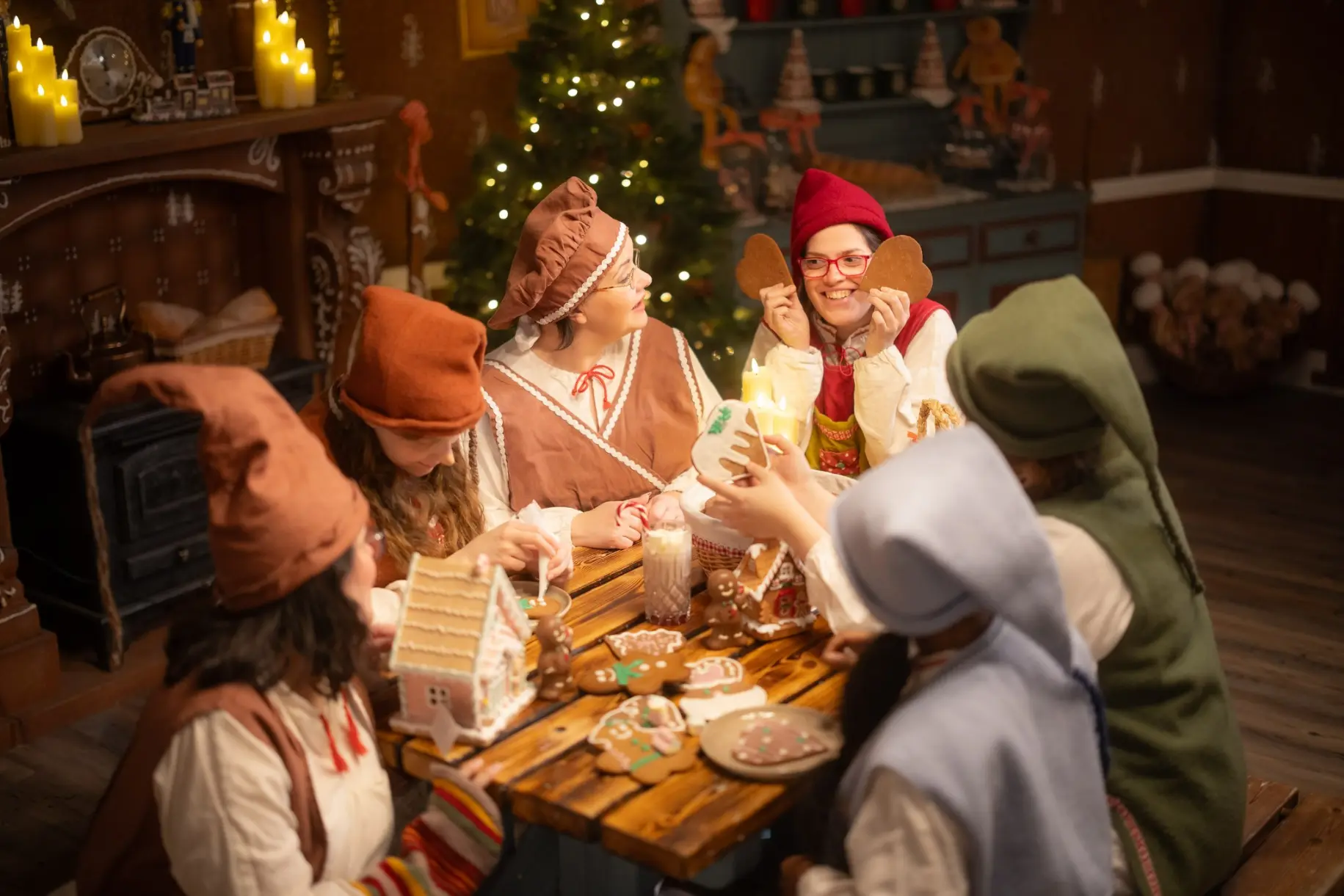
December is the most festive month in Rovaniemi. The town fills with lights, families arrive to meet Santa, and coming in from the cold feels especially cosy.
It’s also the darkest month. Around 21 December, the sun is above the horizon for only about two hours and fifteen minutes. That can sound a little daunting before you arrive, but the short days have their own beauty. Around midday, the sky can soften into pink and blue, while the snow helps brighten the surroundings. You may hear people talk about the “blue moment”—a peaceful part of the winter day that’s lovely to experience for yourself.
Good to know: December is also the busiest and most expensive time to visit. Booking flights, accommodation and favourite activities early gives you more choice. If meeting Santa is part of your plans, our guide to Santa Claus Village vs SantaPark can help you decide what suits your family.
January and February: Deep snow and Arctic adventure
After the Christmas holidays, the pace often becomes a little gentler. January is usually the coldest month, with average lows around −13 °C and colder spells possible. Snow is generally well established, and the days gradually grow longer. By mid-February, there are around eight hours of daylight.
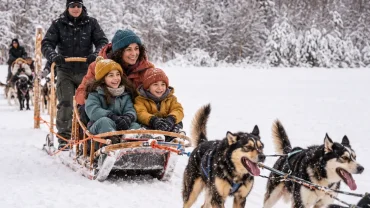
These months are a lovely time for the experiences many people come to Lapland for. You might join a husky safari through the forest, take a reindeer sleigh ride or walk beneath the frozen waterfalls at Korouoma. In the evening, you can head out to look for the Northern Lights, with time to gather around a fire and enjoy a BBQ.
You don’t need to fit everything into one visit. Leaving a little space between activities gives you time to enjoy being here, too.
Good to know: Dressing for the cold makes a real difference to your day. Our guide to what to wear in Rovaniemi in winter explains the layers you’ll need. You can also rent proper Arctic clothing from us if that makes packing easier.
👉 See all our winter tours in Rovaniemi
Late Winter in Rovaniemi (March): Our Insider Tip
March is a month we often recommend when guests have some flexibility with their dates.
There’s usually plenty of snow, often around half a metre or more, and the extra daylight makes it easier to take your time outdoors. There are around ten hours of daylight at the beginning of March and nearly twelve by the middle of the month. On sunny days, you can feel the season beginning to shift, even while the landscape is still covered in white.
There’s a Finnish word for this time of year: kevättalvi, or “spring winter”.
The nights remain dark enough to look for the Northern Lights until roughly early April. That means you can enjoy a daytime husky ride, pause for lunch by the fire and head out again after dinner to watch the sky.
March can also feel calmer than the Christmas season and may offer better value. It’s a good option for couples, friends and families who would enjoy a winter trip with more daylight.
Good to know: By mid to late April, the snow starts to soften and some winter activities finish for the season. If snow tours are central to your plans, March or the first half of April is usually a better choice, depending on conditions.
May in Rovaniemi: The Quiet In-Between
May is a month of change, and it helps to arrive knowing what to expect. The snow melts, rivers rise and forest trails can be soft and muddy. Winter safaris have usually finished, and the nights are too bright for Northern Lights viewing.
But there’s something lovely about watching the landscape wake up. Birds return, daylight stretches into the evening and, towards the end of the month, the first fresh leaves begin to appear on the birch trees.
May can suit travellers who enjoy quiet surroundings, a slower pace and lower prices. Visits to a reindeer farm or Ranua Wildlife Park can still be part of the trip.
If you’re hoping for snow, we’d suggest March. If summer walks and time on the water appeal more, late June may be a better fit. And if May is when you’re able to come, you’re welcome to send us your dates. We’ll help you work out what’s available and what you might enjoy that week.
Summer in Rovaniemi (June – August): Endless Days Under the Midnight Sun
Rovaniemi in summer feels very different from the snowy town many visitors imagine. The forests are green, the rivers open up and the long evenings give you time to linger outside.
From roughly early June to early July, the sun doesn’t set. You might finish a late dinner and still feel like taking a walk, or find yourself sitting beside a lake long after your usual bedtime. The light makes it easy to lose track of the hour.
Midsummer, celebrated in late June, is a special part of the Finnish summer, with long evenings spent outdoors and bonfires where conditions allow.
July is usually the warmest month, with daytime highs around 20 °C. It’s a lovely time for hiking, river trips and settling into the warmth of a Finnish sauna.
Our favourite summer experiences:
- A Finnish sauna boat cruise with BBQ, with time to enjoy the river between sauna sessions.
- A hiking tour with a wilderness lunch cooked over the fire.
- A walk to the Auttiköngäs waterfall and canyon, surrounded by forest.
- An overnight bear watching safari, giving you time to quietly watch for wild brown bears.
- A visit to the Lapland amethyst mine, where you can try digging for your own gemstone.
Good to know: Mosquitoes are part of summer here, especially in late June and July near water and in the forest. Repellent and long sleeves help make time outdoors more comfortable. By August, there are usually fewer insects, berries are ripening and the nights begin to darken again.
👉 See all our summer tours in Rovaniemi
Autumn in Rovaniemi (September – November): Golden Forests and the First Auroras
Rovaniemi in autumn is a lovely choice if you enjoy walking, photography and quieter days outdoors. The season changes quickly, from colourful September forests to the colder, darker weeks before winter.
September: Ruska season
In early and mid September, birch leaves turn gold and blueberry bushes bring patches of deep red to the forest floor. This autumn colour is known as ruska. Even a short walk can become a reason to slow down and take a few photographs.
As the nights darken, the Northern Lights season begins again from late August. On a clear evening, you may see auroras above the autumn landscape, sometimes reflected in water before the lakes freeze.
During the day, you could join an autumn husky safari on wheels or take a gentle horse ride through the Arctic forest. It’s a way to spend time outside before the snow arrives.
October and November: The quiet before the snow
October brings cooler weather and shorter days. The first snow often falls during the month, although it may melt again. November is less predictable: one year can feel wintry quite early, while another takes a little longer to settle into snow.
These months can appeal if you prefer fewer visitors and more affordable stays. The dark evenings are suitable for Northern Lights trips when skies are clear, and there’s time to enjoy the quieter side of Lapland.
If snow activities are the main reason for your visit, it’s worth choosing later dates. Snow may arrive in late November, but mid December onwards is generally a more reliable starting point.
👉 See all our autumn tours in Rovaniemi
So, What’s the Best Time to Visit Rovaniemi for You?
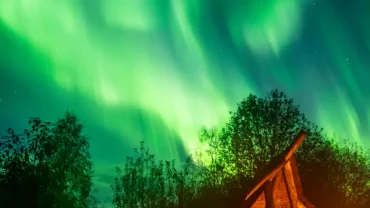
For the Northern Lights: Late August to early April. If you’re wondering about the best time to see Northern Lights in Rovaniemi, we especially like September for its autumn scenery and gentler temperatures, and February to March for snowy landscapes and longer daytime outings. Sightings always depend on the sky and aurora activity. A guide can help you find suitable viewing locations and follow changing cloud conditions, as we do on our Northern Lights hunt with BBQ.
For snow and winter activities: December to March is generally the most reliable period for huskies, reindeer sleigh rides, snowmobiles and frozen waterfalls.
For Christmas and Santa: December brings the fullest Christmas atmosphere. Plan early and allow a little extra time for the busiest places.
For families with kids: February and March offer more daylight, and March often brings gentler temperatures. That can make days outdoors easier to plan around younger children. Our complete family guide to Rovaniemi has more ideas for travelling together.
For fewer crowds and better prices: Consider January after the holidays, March, September or early November. Prices vary with school holidays and demand. For help with your budget, see how much a trip to Rovaniemi costs in 2026.
For hiking, nature and the midnight sun: Mid June to August is the summer window to consider. Choose late June or early July if the midnight sun is your priority.
For photographers: September offers ruska colours and darkening nights. March brings snowy scenery, longer daylight and the possibility of evening auroras.
Why a Guided Tour Makes Every Season Better
Exploring somewhere new can feel easier with someone local alongside you. Our guides help with the practical details, so you have more time to enjoy the experience and ask questions along the way.
- Local knowledge for the day ahead. Snow conditions, cloud cover and autumn colours change throughout the season. We use what we know about the area to adapt our plans to the conditions.
- Care for your comfort. From time to warm up to a meal around the fire, small details matter when you’re outdoors. We help you prepare and take care of getting you there and back.
- Time to enjoy a smaller group. Our small-group tours make room for questions, conversation and quiet moments in nature.
- Stories along the way. Our guides share local life, reindeer herding traditions and stories from Lapland. Sometimes those conversations around the fire become a favourite memory.
- Help in your language. Our team supports guests in English, Italian and Chinese, making it easier to ask questions and plan your visit.
If you’d like a hand bringing your plans together, tell us your dates and what you’re hoping to see. Our local team can create a free personalised itinerary for you.
Frequently Asked Questions
What is the best month to visit Rovaniemi?
March is a lovely all-round choice for a winter visit. There’s usually plenty of snow, more daylight for activities and dark nights suitable for Northern Lights viewing. If you’re coming for Christmas, choose December. For the midnight sun, aim for late June or early July.
When can you see the Northern Lights in Rovaniemi?
The viewing season runs roughly from late August to early April, when nights are dark enough. You’ll need clear skies and suitable aurora activity, so a sighting can never be promised. Heading away from city lights gives you better viewing conditions, and a guided aurora hunt can help you find a suitable spot.
Is there snow in Rovaniemi in November?
There can be, but it varies quite a bit from year to year. Some Novembers have plenty of snow by the middle of the month; others take longer.
How cold is Rovaniemi in winter?
January is usually the coldest month, with typical temperatures around −10 °C to −20 °C and occasional colder spells. Good layers, warm boots and breaks indoors help you enjoy the day more comfortably. Our winter clothing guide explains what to pack.
Is Rovaniemi dark all day in December?
No. Even on the shortest day, the sun rises for a little over two hours. Around the short daylight window, there’s also twilight, which can bring soft pink and blue colours to the snowy landscape.
When is the midnight sun in Rovaniemi?
Roughly from early June to early July. The nights remain light beyond that period, too, so there’s plenty of time to enjoy being outdoors through much of summer.
Is Rovaniemi worth visiting in summer?
Yes, especially if you enjoy nature and a quieter pace. Summer brings long, light days, daytime temperatures often around 20 °C in July, hiking, river trips, sauna and wildlife experiences such as bear watching. There are also generally fewer visitors than during the winter peak.
When is Rovaniemi cheapest?
You’ll often find lower prices in May, early November and late August, as well as January after the holiday weeks. December is usually the most expensive month. Your exact dates and how early you book can make a difference.
How far in advance should I book tours?
For December and the February school holidays, booking several months ahead gives you the best choice. At quieter times, a few weeks may be enough, though it’s worth booking earlier if there’s a particular experience you’d love to include.
Ready to Choose Your Season?
Perhaps you’re picturing a snowy forest, a slow walk through golden autumn leaves or a summer evening beside the river. Each season offers a different way to spend time in Rovaniemi, and you don’t need to see everything in one trip.
When you’ve found the time of year that feels right for you, we’d love to welcome you to our corner of Lapland.
- ❄️ Winter tours in Rovaniemi: huskies, reindeer, snowmobiles and Northern Lights.
- 🍂 Autumn tours in Rovaniemi: ruska colours, first auroras and forest adventures.
- ☀️ Summer tours in Rovaniemi: midnight sun, sauna, hiking and wildlife.
Still deciding when to visit Rovaniemi? Send us your travel dates and we’ll help you put together a free personalised itinerary, with friendly local advice and time for the things you most want to enjoy.


Comment (0)